
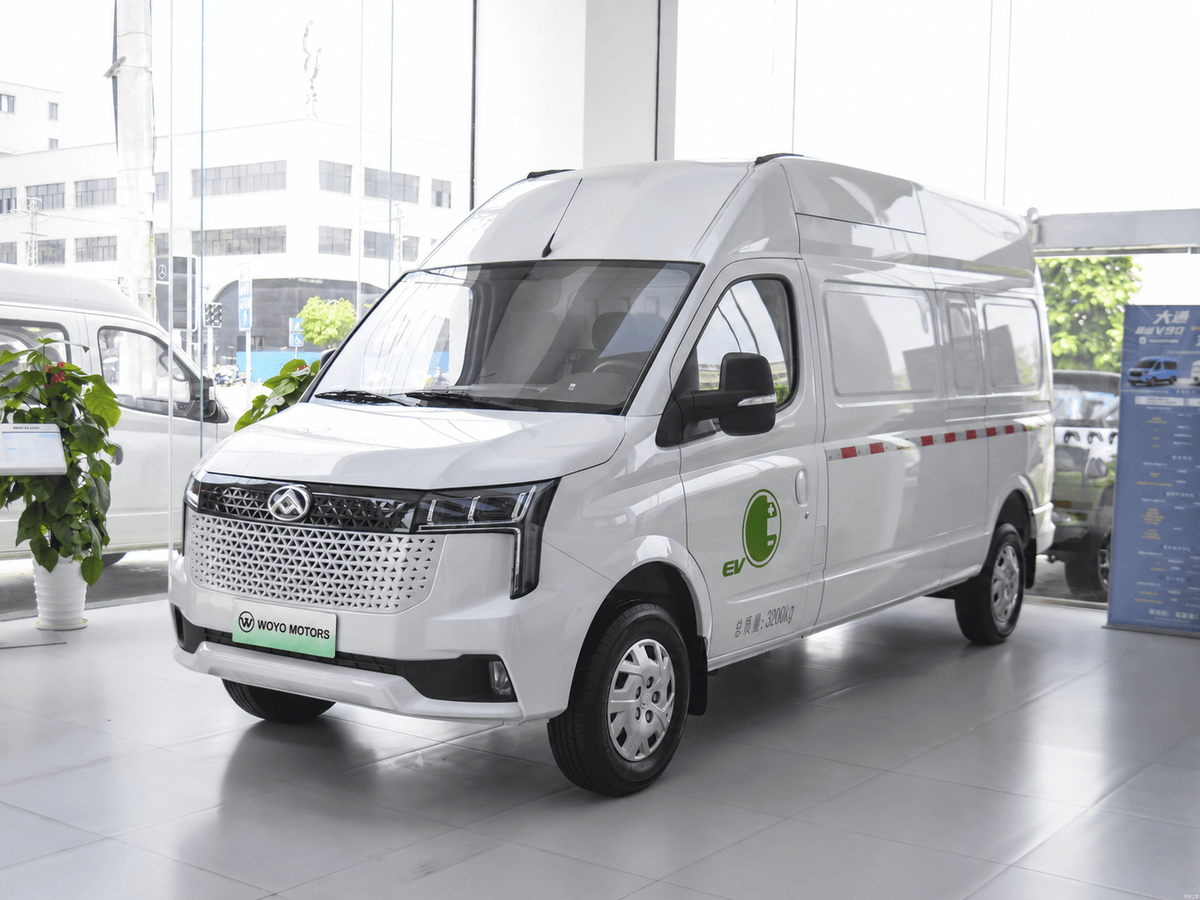
Choosing an electric cargo van starts with the work it must complete. The MAXUS EV80 PRO long-wheelbase, high-roof configuration offers a useful case for comparing cargo volume, load weight and charging time. A fleet decision should use the planned route and configuration, rather than the largest range number on a specification sheet.
Electric commercial vehicles are gaining attention
The IEA Global EV Outlook 2026 reports that global electric light commercial vehicle sales exceeded 430,000 in 2025, up 45% year on year. This describes the wider market, not sales of this MAXUS model. Vehicle weight classifications also differ: the supplied EV80 sheet lists a 3,900kg gross vehicle weight, so buyers must check the relevant local vehicle category.
What the supplied EV80 PRO sheet specifies
- 2025 EV80 PRO City Logistics Edition, long wheelbase and high roof.
- Three seats and a 3,850mm wheelbase.
- Overall dimensions: 5,689 × 1,998 × 2,575mm.
- 11m³ cargo volume; rated payload listed as 1,420kg.
- Gross vehicle weight: 3,900kg; curb weight listed as 2,350kg.
- 77kWh LFP battery, liquid heating and cooling.
- Motor rated/peak output: 60/120kW; maximum torque: 280Nm.
Use the stated rated payload as a configuration reference. Subtracting curb weight from gross vehicle weight does not by itself establish the cargo allowance once occupants and installed equipment are considered. Shelving, tools and other additions should be included in the load assessment for the delivered vehicle.
305km and 450km describe different tests
The sheet lists 305km under C-WTVC and 450km at a constant 40km/h. These figures are not interchangeable, and the 450km number should not be presented as normal loaded delivery range. For procurement, describe road speed, load, hills, cabin heating or cooling, and the required reserve at the end of the shift. Request confirmation of the test configuration and a realistic route assessment.
Plan charging around the operating window
The listed DC charging time is 43 minutes from 20% to 80% at 25°C. AC charging is listed at 6.6kW, with a 5% to 100% time of up to 13 hours at 25°C. These are different charging windows. Confirm charger compatibility, available site power and the conditions behind the figures before setting a fleet timetable.
Ford's commercial EV range guidance similarly treats payload, temperature and operating environment as relevant variables. That supports route-based evaluation; it does not validate the MAXUS range figures or make the two vehicles directly comparable.
Prepare a useful fleet enquiry
Send the daily route, peak cargo weight, largest package dimensions, loading access requirements, overnight parking time and destination market. The supplied sheet identifies electric power steering but does not establish right-hand-drive availability. Confirm steering position separately. Any passenger conversion also needs its own final seating, mass and registration review.
View the EV80 PRO cargo van or request a configuration review from WOYO. For layout and branding requirements, see OEM customization.
Configuration reference: supplied 2025 MAXUS EV80 PRO 77kWh specification sheet. Industry references: IEA Global EV Outlook 2026 and Ford commercial EV range guidance. Final specifications and charging conditions require confirmation for the quoted vehicle.